Why Professional Embroidery Digitizing Matters More Than You Think

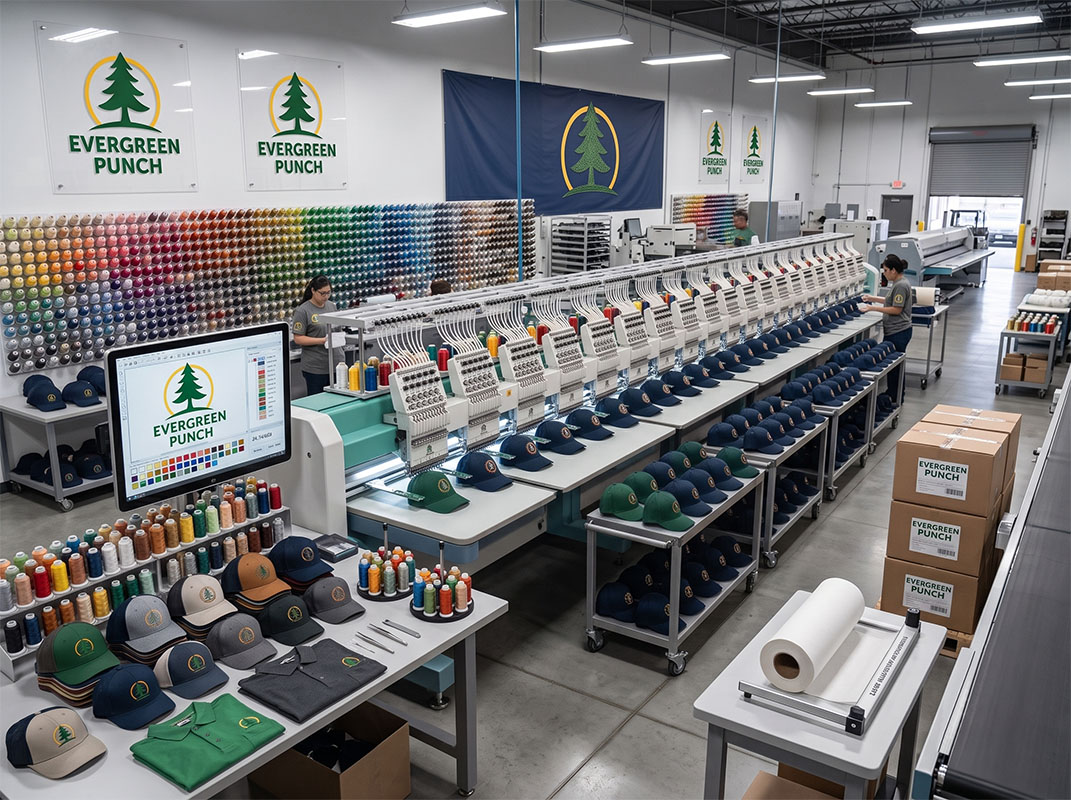
Table of Contents
What Is Embroidery Digitizing?
- Stitch types
- Stitch angles
- Stitch direction
- Stitch density
- Underlay stitches
- Pull compensation
- Push compensation
- Stitch sequence
- Travel paths
- Color sequence
- Thread trims
- Machine efficiency
Embroidery Machines Only Follow Instructions
- DST
- PES
- EXP
- JEF
- VP3
- EMB
- XXX
- HUS
Why Embroidery Digitizing Is a Skill, Not Just A Software
- Different fabric behaviors
- Thread characteristics
- Needle penetration
- Stitch mechanics
- Machine limitations
- Garment construction
- Fabric distortion
- Production efficiency
- Caps
- Towels
- Leather
- Denim
- Softshell jackets
- Fleece
- Stretch garments
- Performance fabrics
Why Cheap Embroidery Digitizing Usually Costs More
Cheap embroidery digitizingor
Lowest price embroidery digitizingUnfortunately, the cheapest option often becomes the most expensive. Imagine two embroidery digitizing services.
Service A
- Charges $4.
- Produces poor-quality embroidery.
- Requires multiple revisions.
- Causes thread breaks.
- Machine stops every few minutes.
- Customer rejects finished products.
- Garments are wasted.
- Production slows down.
Service B
- Charges $20.
- Produces production-ready embroidery.
- Runs smoothly.
- Requires no revisions.
- Completes faster.
- Produces excellent embroidery.
- Customer is delighted.
- Machine operator is happy.
- No wasted garments.
Which service actually saves money?
The answer is obvious!
Professional embroidery digitizing is not an expense.
IT IS AN INVESTMENT!
The Hidden Costs of Poor Embroidery Digitizing
1. Thread Breaks
Incorrect stitch density causes excessive thread tension. Machines stop repeatedly. Operators lose valuable production time.2. Needle Breakage
Poor stitch sequencing increases needle stress. Broken needles interrupt production and may damage garments.3. Fabric Puckering
Improper density pulls the fabric together. The finished embroidery appears wrinkled. Even expensive garments look low quality.4. Poor Lettering
Small text becomes unreadable. Letters merge together. Edges appear rough. Corporate logos lose their professional appearance.5. Registration Problems
Borders fail to align. Colors overlap incorrectly. Fine outlines become distorted. Professional brands immediately notice these defects.6. Excessive Trims
Poor pathing creates unnecessary thread trims. Production becomes slower. Machines make more jumps. Finished embroidery contains loose threads requiring manual cleanup.7. Higher Production Costs
Every additional machine stop increases labor costs. Every rejected garment reduces profits. Every unhappy customer damages long-term business relationships. The small amount saved on cheap digitizing quickly disappears.What Separates a Professional Embroidery Digitizer from an Amateur?
Professional Techniques That Separate Experts from Beginners
If you’ve ever compared embroidery from two different digitizers using the same logo, embroidery machine, thread, and fabric, you may have noticed dramatic differences in quality.
That difference doesn’t come from the machine—it comes from the digitizing expertise behind the embroidery file.
Professional embroidery digitizers rely on a combination of technical knowledge, real-world production experience, and an understanding of fabric behavior to create files that sew efficiently and look exceptional.
Let’s explore the techniques that truly separate professionals from amateurs.
1. Underlay Stitches – The Foundation of Great Embroidery
A common mistake made by inexperienced digitizers is treating underlay as optional.
In reality, underlay is the hidden foundation of high-quality embroidery.
Underlay stitches stabilize the fabric before the visible stitches are sewn. They help:
- Prevent fabric shifting
- Reduce puckering
- Improve stitch definition
- Support satin columns
- Increase embroidery durability
- Create cleaner edges
- Improve coverage on textured fabrics
Different embroidery applications require different underlay types, including:
- Edge Run Underlay
- Center Walk Underlay
- Zigzag Underlay
- Double Zigzag Underlay
- Fill Underlay
Selecting the correct underlay requires experience. Using the wrong type—or skipping it entirely—can result in distorted embroidery, uneven coverage, and poor stitch quality.
2. Stitch Density – More Is Not Always Better
One of the biggest myths in embroidery digitizing is that adding more stitches creates better embroidery.
In reality, excessive stitch density often causes more problems than it solves.
Overly dense designs can lead to:
- Thread breaks
- Needle breaks
- Fabric puckering
- Stiff embroidery
- Poor thread shine
- Production slowdowns
- Machine overheating
- Distorted logos
On the other hand, insufficient stitch density may leave gaps where the fabric shows through, reducing the professional appearance of the design.
Professional digitizers calculate stitch density based on factors such as:
- Fabric type
- Thread weight
- Needle size
- Design size
- Stitch type
- Machine speed
The goal is to achieve clean coverage without overloading the fabric.
3. Pull Compensation – Planning for Fabric Movement
Embroidery stitches naturally pull the fabric inward as they are sewn.
Without compensation, shapes become narrower, circles turn into ovals, and text may lose its intended proportions.
This is where pull compensation becomes essential.
Professional digitizers intentionally adjust object widths so that once the embroidery is complete, the design returns to its intended dimensions.
The amount of pull compensation varies depending on:
- Knit fabrics
- Cotton
- Denim
- Towels
- Caps
- Stretch garments
- Leather
- Fleece
There is no universal setting. Experience determines the correct adjustment for each project.
4. Push Compensation – The Often Overlooked Detail
While pull compensation is widely discussed, push compensation is equally important.
As stitches accumulate, embroidery can “push” outward at the ends of objects.
Without accounting for this effect, designs may appear:
- Longer than intended
- Uneven
- Misaligned
- Poorly registered
Professional digitizers anticipate this movement and compensate before the machine ever begins stitching.
5. Efficient Stitch Pathing
Imagine mowing a lawn randomly instead of following an organized pattern.
The result would be wasted time and unnecessary movement.
Embroidery machines behave the same way.
A professional embroidery digitizer carefully plans the stitch path to minimize unnecessary movement, reducing:
- Jump stitches
- Thread trims
- Production time
- Thread waste
- Machine wear
Efficient pathing not only improves appearance but also increases productivity, especially during large production runs.
6. Sequencing the Design Correctly
The order in which objects are embroidered can significantly affect the final result.
Professional digitizers determine the optimal sequence by considering:
- Background fills
- Borders
- Lettering
- Small details
- Overlapping elements
- Color changes
Incorrect sequencing can create registration issues, visible gaps, and uneven layering.
7. Fabric-Specific Digitizing
A logo that stitches perfectly on a polo shirt may produce poor results on a cap or towel if the same embroidery file is reused.
Every fabric behaves differently.
Cotton Polo Shirts
- Stable
- Moderate density
- Standard underlay
Caps
- Structured surface
- Center-out sequencing
- Strong pull compensation
- Reduced stitch angles
Towels
- Thick pile
- Heavy underlay
- Increased density
- Longer stitches
Stretch Fabrics
- Flexible material
- Additional stabilization
- Reduced density
- Specialized underlay
Leather
- Permanent needle holes
- Lower penetration count
- Longer stitch lengths
- Minimal overlapping
Professional embroidery digitizers create files that match the fabric rather than forcing one file to work for every application.
Why Auto-Digitizing Cannot Replace Human Expertise
Many embroidery software packages advertise automatic digitizing features.
While these tools may be useful for very simple artwork, they cannot understand:
- Fabric behavior
- Brand requirements
- Production efficiency
- Stitch sequencing
- Machine limitations
- Customer expectations
Auto-digitized files often contain:
- Excessive trims
- Random stitch directions
- Poor lettering
- Incorrect density
- Weak underlay
- Inefficient pathing
These issues become evident during production, where time, materials, and customer satisfaction are on the line.
Professional digitizing still requires human judgment and experience.
Warning Signs of an Inexperienced Embroidery Digitizer
Extremely Low Pricing
If a company promises professional-quality digitizing for just a few dollars, it may rely on automated software or inexperienced operators. Remember: quality work requires time, skill, and testing.No Portfolio
A reputable digitizing company should be able to provide examples of previous work across different garment types and design complexities.One File for Every Fabric
If a digitizer claims the same embroidery file will work equally well on caps, jackets, polos, towels, fleece, and stretch fabrics, that’s a major red flag. Professional digitizers customize files based on the application.No Questions About Your Project
Experienced digitizers typically ask:- What garment will this be stitched on?
- What fabric is being used?
- What is the final embroidery size?
- Which embroidery machine will be used?
- What file format do you need?
Poor Communication
Reliable digitizing partners provide clear turnaround times, explain technical recommendations when needed, and respond promptly to client questions. Consistent communication is often a reflection of overall professionalism.Questions You Should Ask Before Placing an Order
Before choosing an embroidery digitizing service, consider asking:
- How many years of embroidery digitizing experience do you have?
- Do you manually digitize designs or rely on auto-digitizing software?
- Can you optimize files for specific fabrics?
- Which embroidery file formats do you provide (DST, PES, EXP, JEF, VP3, EMB, etc.)?
- Do you offer revisions if adjustments are needed?
- Have you created files for commercial embroidery production?
- Can you digitize small lettering and fine details accurately?
- What is your typical turnaround time?
- Do you test designs before delivery whenever possible?
A professional service should answer these questions confidently and transparently.
Why Businesses Choose Professional Digitizing Partners
Embroidery businesses are increasingly recognizing that reliable digitizing is not just a technical service—it is an investment in production quality, customer satisfaction, and long-term profitability.
By partnering with experienced professionals, businesses benefit from:
- Fewer production interruptions
- Reduced thread and material waste
- Cleaner, sharper embroidery
- Faster machine operation
- Better consistency across repeat orders
- Higher customer satisfaction
- Improved brand reputation
- Lower overall production costs
The Evergreen Punch Team follows this philosophy by focusing on precision, efficiency, and consistency rather than simply creating embroidery files. Every project is approached with attention to artwork quality, garment type, embroidery application, and production requirements to ensure dependable results.
Whether it’s a left chest corporate logo, a detailed jacket back, a 3D puff cap design, an appliqué pattern, or a custom embroidered patch, Evergreen Punch strives to produce embroidery files that help embroidery businesses work more efficiently and confidently.
At EvergreenPunch.com, the objective isn’t just to convert artwork into stitches—it’s to engineer embroidery files that perform reliably in real-world commercial production environments, helping customers save time, reduce waste, and consistently produce embroidery they’re proud to deliver.
Cheap Embroidery Digitizing vs. Professional Embroidery Digitizing
| Feature | Cheap/Amateur Digitizing | Professional Embroidery Digitizing |
|---|---|---|
| Stitch Planning | Mostly automatic | Manually engineered |
| Underlay | Basic or missing | Optimized for each design |
| Stitch Density | Generic settings | Fabric-specific calculations |
| Pull Compensation | Rarely adjusted | Carefully calibrated |
| Push Compensation | Often ignored | Applied where needed |
| Stitch Pathing | Random or inefficient | Optimized for speed and quality |
| Small Lettering | Often unreadable | Sharp and legible |
| Fabric Compatibility | One file for all materials | Customized for each application |
| Thread Breaks | More frequent | Significantly reduced |
| Machine Stops | Common | Minimal |
| Production Speed | Slower | Faster |
| Customer Satisfaction | Inconsistent | Consistently high |
| Long-Term Cost | Higher due to waste | Lower due to efficiency |
The true cost of embroidery isn’t the digitizing fee—it’s the total cost of production. Investing in quality digitizing helps reduce waste, improve consistency, and build lasting customer trust.
Industries That Benefit from Professional Embroidery Digitizing
Professional embroidery digitizing is valuable across many industries, including:
- Corporate uniforms
- Hospitality and restaurants
- Healthcare and medical apparel
- Schools and universities
- Sports teams and athletic wear
- Construction and industrial workwear
- Security companies
- Government organizations
- Promotional products
- Fashion brands
- Military and tactical apparel
- Motorcycle clubs
- Custom embroidered patches
- Event merchandise
- Small embroidery businesses
- Large commercial embroidery factories
Whether you’re producing a single embroidered logo or thousands of garments, high-quality digitizing plays a critical role in achieving consistent results.
Frequently Asked Questions (FAQ)
Is embroidery digitizing the same as converting an image?
No.
Embroidery digitizing is a manual engineering process that converts artwork into stitch instructions. A professional digitizer determines stitch types, stitch directions, densities, underlay, compensation, sequencing, and machine paths to ensure the design stitches correctly.
Why do embroidery digitizing prices vary so much?
Pricing usually reflects the time, expertise, and attention invested in creating the embroidery file.
Very inexpensive services often rely on automatic software or inexperienced operators, while professional digitizers manually optimize every design for production quality.
Can one embroidery file work on every fabric?
Usually not.
Different materials behave differently during embroidery. Caps, towels, leather, fleece, denim, and stretch fabrics each require unique adjustments for the best results.
Which embroidery file format do I need?
That depends on your embroidery machine.
Common embroidery formats include:
- DST
- PES
- EXP
- JEF
- VP3
- HUS
- XXX
- EMB
If you’re unsure, your embroidery machine manufacturer or embroidery digitizing provider can recommend the correct format.
Can poor digitizing damage my embroidery machine?
While poor digitizing may not permanently damage a machine, it can increase:
- Thread breaks
- Needle breaks
- Machine stops
- Excessive wear
- Operator frustration
- Production downtime
Professional embroidery files help embroidery machines run more efficiently.
Why is small embroidery text difficult?
Small lettering requires careful planning of satin widths, stitch density, underlay, and sequencing.
Professional embroidery digitizers know how to maximize readability while maintaining production efficiency.
How long does professional embroidery digitizing take?
Turnaround depends on the design’s complexity.
Simple logos may be completed within a few hours, while highly detailed artwork, jacket backs, 3D puff designs, or appliqué projects may require additional time to ensure optimal quality.
Final Thoughts
Before ordering embroidery digitizing, remember these important points:
✔ Price should never be the only deciding factor.
✔ Ask whether the design is manually digitized.
✔ Request examples of previous work.
✔ Confirm that files are optimized for your specific fabric.
✔ Ensure revisions are available if required.
✔ Work with experienced embroidery digitizers who understand commercial production.
✔ View embroidery digitizing as an investment—not merely a cost.
Exceptional embroidery doesn’t begin at the embroidery machine—it begins with exceptional embroidery digitizing.
Every stitch, every angle, every underlay, and every compensation adjustment influences the final result. A professionally digitized embroidery file can mean the difference between a smooth production run and hours of unnecessary troubleshooting.
Businesses that prioritize quality digitizing often experience:
- Better embroidery quality
- Faster production
- Fewer machine interruptions
- Reduced material waste
- Stronger customer relationships
- Increased profitability
Whether you operate a home embroidery business or a large-scale commercial embroidery facility, choosing the right embroidery digitizing partner is one of the smartest investments you can make.
At Evergreen Punch, we believe that every logo deserves careful planning—not shortcuts. Our goal is to create embroidery files that stitch cleanly, efficiently, and consistently across a wide range of garments and embroidery applications.
The Evergreen Punch Team combines technical expertise with real-world production knowledge to deliver embroidery digitizing solutions that help customers save time, reduce costs, and achieve professional results.
If you’re looking for dependable custom embroidery digitizing, logo digitizing, cap embroidery digitizing, 3D puff digitizing, appliqué digitizing, patch digitizing, or high-quality embroidery files for commercial embroidery machines, visit EvergreenPunch.com and discover how precision digitizing can elevate every stitch of your next project.